
About this department
The Pathology Department examines tissue collected during a biopsy or surgical procedure. The pathologist assesses visible features and microscopic cellular changes to produce a report based on the specimen and clinical information. Pathology is used for inflammatory, infectious, benign, precancerous and malignant conditions, not only cancer.
From specimen to report
- Reception and identification: patient details, specimen site and the doctor’s request are checked.
- Gross examination: the number, dimensions and visible features of tissue fragments are assessed and appropriate areas selected.
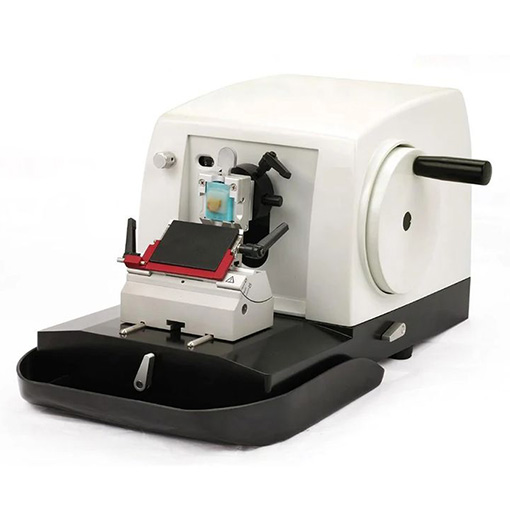
- Processing: tissue is prepared as appropriate, commonly embedded in paraffin, cut into thin sections and stained with hematoxylin and eosin (H&E).
- Microscopy: the pathologist examines cellular and tissue changes with the clinical information. Further sections, special stains, IHC or molecular tests may be needed; confirm availability for the particular case.
- Reporting: findings are recorded for the treating physician to interpret alongside history, examination, imaging and other tests.
Understanding a pathology report
| Test or area | Details |
|---|---|
| Gross description | Visible characteristics and dimensions of the received specimen |
| Microscopic findings | Changes seen in cells and tissue structure |
| Final diagnosis | The pathologist’s diagnostic conclusion based on the available findings |
| Benign / malignant | Whether a lesion can be classified as benign or malignant |
| Grade | Histological features or differentiation of certain tumors; different from stage |
| Margin | Assessment of the edges of a surgical specimen where relevant and possible |
Biopsy, cytology and molecular tests
Biopsy is the procedure used to obtain a specimen. Histopathology examines tissue architecture; cytology examines cells. Molecular investigations may complement selected diagnoses. The specimen and the physician’s request determine the appropriate examination.
Before sending tissue
- Include correct patient identification, the precise collection site, the doctor’s request and relevant clinical history.
- Coordinate acceptance and delivery before moving specimens from another hospital, clinic or surgical centre.
- Follow the collecting centre’s instructions for container, fixative, storage and transport. Do not add material or alter storage yourself.
- Bring previous pathology, imaging and treatment records when requested.
Reporting time
There is no single reporting time for every tissue specimen. Fixation, processing, specimen size, additional sections and specialist review can affect the time required. Ask for an estimate and follow-up arrangements at admission.
Common questions
Does a pathology test only investigate cancer?
No. It can investigate inflammation, infection, benign lesions and other tissue changes.
Is biopsy performed at the laboratory?
A pathology service examines a collected specimen. Confirm the collection location and arrangements with your treating team and the laboratory.
Do I need to fast?
Examination of tissue already collected does not usually require a separate dietary preparation. A biopsy, endoscopy or operation may have its own preparation instructions.
What if the result is inconclusive?
Further sections, stains, clinical correlation, specialist review or another sample may be requested depending on the case.